

Musically speaking, something was quite wrong with me as a child. The kiddie sheet music celebrating Mozart, Chopin and Clementi was more than I could understand. My five long years of piano lessons with old Mrs. Parsley was about to become history.
“He’ll never learn anything!” declared Mrs. Parsley to my mother, tersely banishing me from her small dark parlor.
I was as confused and heartbroken as any eleven year old could be. Was I not the only sibling in my family who had learned how to remove the front panels of our old upright piano?
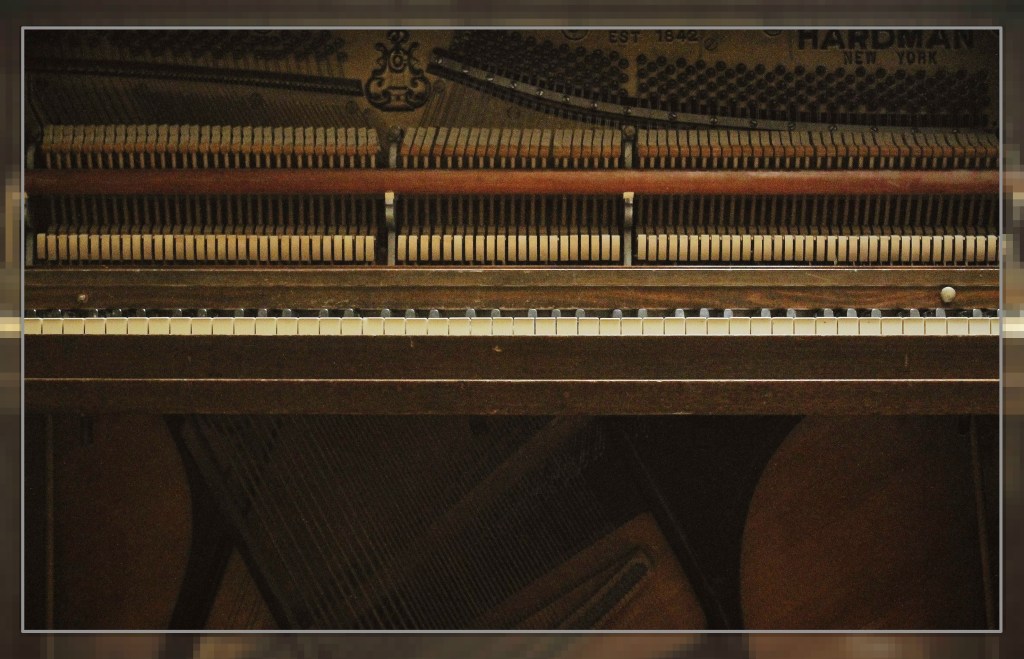
Had I not peaked inside on numerous occasions to see how it worked, intrigued by the complex mechanical action of levers, straps, hammers and pedals? And didn’t Mr. Bunny slyly hide my Easter basket inside the piano on one particularly glorious spring morning? Grandma Kate’s ungainly musical instrument, covered in craquelure’d mahogany finish and bequeathed to my family in the mid 1950’s as she downsized, was perceived as mine alone.
To wit, one afternoon when I was about 6 years old, I sat at the keyboard, stretching my body carefully to press toes on the sustain pedal, gliding my little palms smoothly across the black keys, innocently sending the overtones of the pentatonic scale ringing through the house. My siblings were watching TV in the living room and loudly complained, “Mom!!! Make him stop!” Mother called out from the kitchen, “No, he’s listening to music.”
However, after observing me fail miserably at Mrs. Parsley’s weekly piano lessons for most of my elementary school years, Mom took the next step. She asked the piano-playing daughter of a new neighbor to take up the reins.
This girl, a mere two years older than I, was familiar with Broadway, a genre of tunes which included popular song and dance masterpieces penned by composer/lyricist teams such as Lerner & Lowe, Rodgers & Hammerstein, Styne & Sondheim.
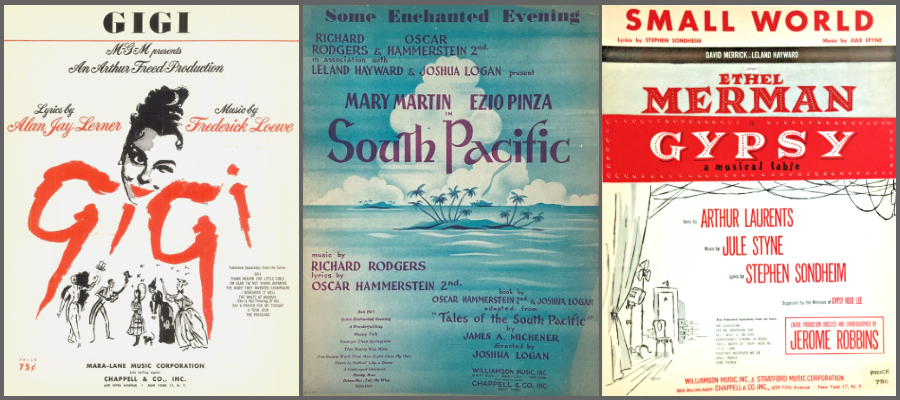
Her sheet music collection of Gigi, South Pacific and Gypsy matched the original Broadway cast LPs my family owned or sometimes borrowed. We listened to the tracks of those records incessantly and were very happy to whistle while we worked. Mrs. Parsley’s European etudes and sonatas were apparently the keys to someone else’s magic kingdom.
The new lessons with my ‘Gigi’ teacher worked wonders, and I soon discovered a cryptic language embedded right there on the page. Guitar tabs printed above the familiar melodies were shorthand for chording on the keyboard.
I picked it up in an instant: Cmaj7 … Dm6-9 … Ebdim/Gb
And along the way, a mysterious little secret revealed itself to me: I played piano by ear. Apparently The Sound of Music coursed through my veins.
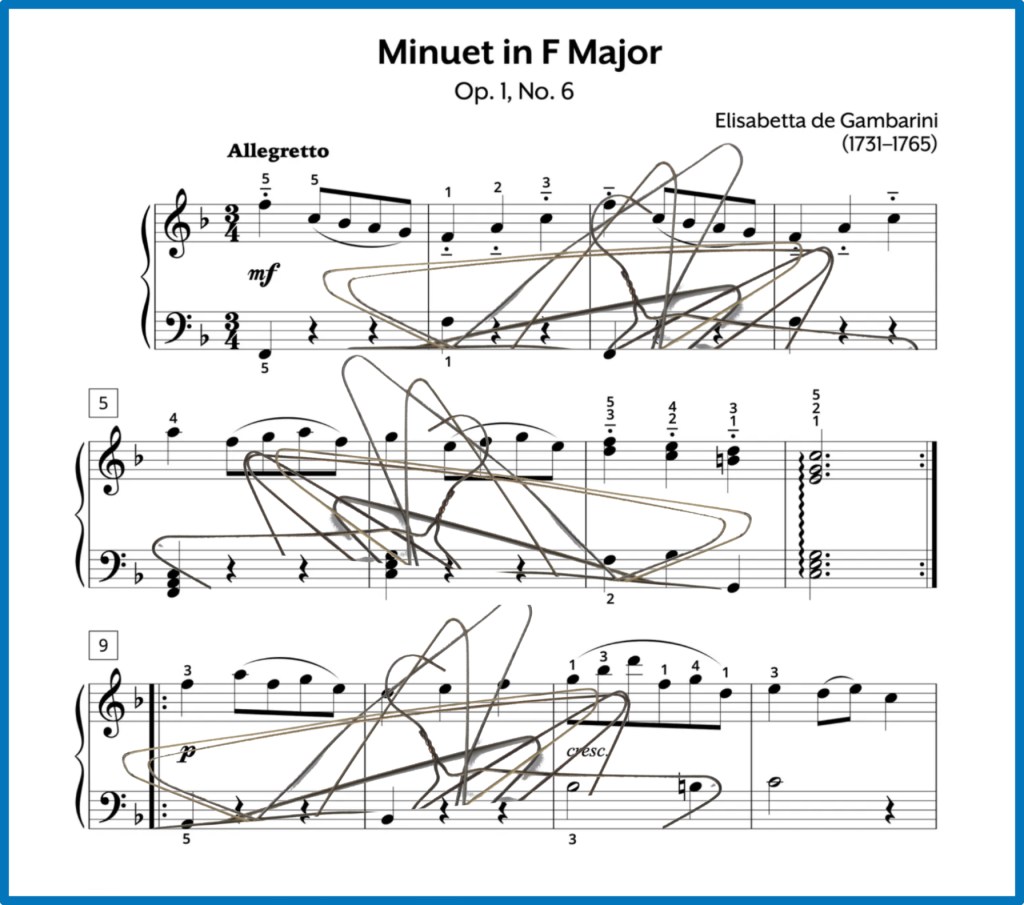
It is worth noting that old arthritic Mrs. Parsley had never once demonstrated the classical tunes she wanted me to sight-read. Unfortunately, the charming lilt of Gambarini’s Minuet in F Major, transfigured into sheet music, looked to me like a bunch of coat hangers tossed carelessly onto the floor.
Having never been exposed to the melodic lines and rhythms of Waltz of The Flowers or Fantasie Impromptu, my trying to decipher classical music on the keyboard was like fingernails clawing at a chalkboard. I did not want to read that notation because I had no clue where the melody was taking me!
Two years later, having experienced real joy exploring those Broadway tunes, I wowed my primary school classmates at our June graduation party with my own grandiose piano arrangement of Bali Ha’i, promptly receiving three (3) encore requests from excited kids arriving late on the scene.
The following September, I incongruously chose to separate from the public high school-bound crowd. I entered Catholic seminary, yearning to discover a special life for myself.
The seminary was known as St. Charles College, built in 1917 near Catonsville Maryland. Its divine curriculum included a high school program designed for overly devout teenage boys like me. Our faculty of cloistered priests could easily have served as models for J.K. Rowling’s wizarding professors at Hogwarts Academy. And as featured in the vintage post card image below, the well-tended campus quadrangles, track and sports fields were surrounded by what could accurately be described as a “Forbidden Forest” – the woods where dragons lurked!

A new classmate and I gravitated to an old piano in a first floor classroom adjacent to the main entrance, and I bet him that I could play a showstopper from the recent Broadway hit musical GYPSY entitled “Everything’s Coming Up Roses”.
“Blindfolded”, said I.
He immediately offered to tie a handkerchief over my eyes and I agreed. Spreading my fingers over the keyboard’s middle C octave, I settled into the show tune’s introductory Cdim6/Eb chord configuration and boldly let it fly.
I hereby present, for reasons which will soon become clear, the song’s opening lyrics, which are scripted motivations of Mama Rose Hovick, the overbearing stage mother who insisted that Louise, her painfully shy daughter, should step out from the shadows and into the center stage spotlight:
“YOU’LL … BE … SWELL !!
YOU’LL BE GREAT !!
GONNA HAVE THE WHOLE WORLD ON A PLATE !!”
Click on the album cover below to hear the song that inspired my music career!
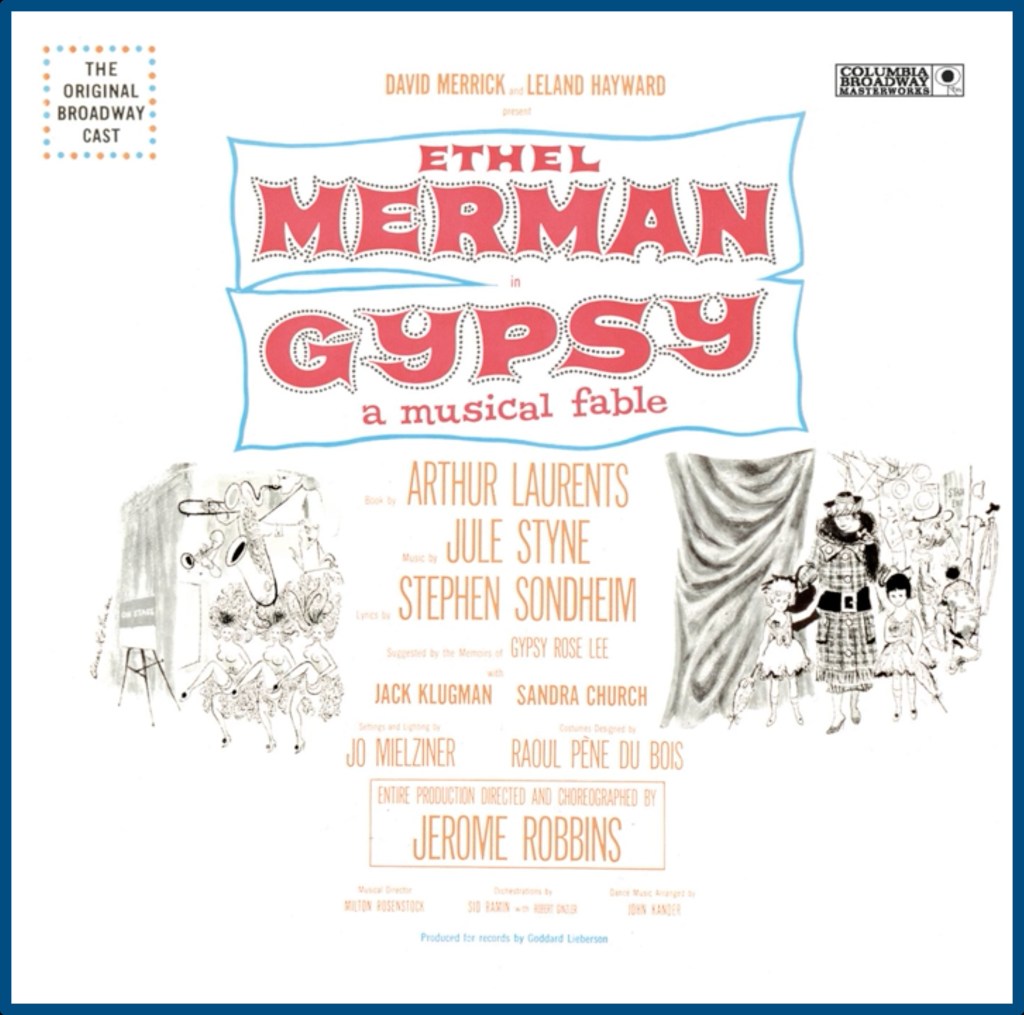
My 90 second serenade of that saucy tune billowed forth from our Latin classroom’s upright piano and poured out into the hallowed seminary hallways which led directly to the administration office and the chapel.
Upon completing the razzamatazz finale on the ivory keys, I proudly removed the blindfold. A priest and five seminarians had gathered silently at the classroom door and were peering at me – the blindfolded teenage freak who had just short-circuited the previously solemn atmosphere of the religious academy.
Within 24 hours, I was summoned to the choir master’s office. Father Hesler offered me a tutored position at the chapel’s 1917 Casavant Frères pipe organ. The magnificent choir loft instrument sported 65 stops, some 2000 individual pipes, three manuals, full rank of pedals and a behemoth electric bellows which provided dependable lung power. Flipping the ignition switch on that beast is one of my fondest memories, for the chapel’s immense cruciform vaults and apsidioles seemed to awaken with a deep breath of powerful energy – while I too was engaging in substantial creative transformation.
Click on the rose window for a 30 second visit with Casavant Frères.
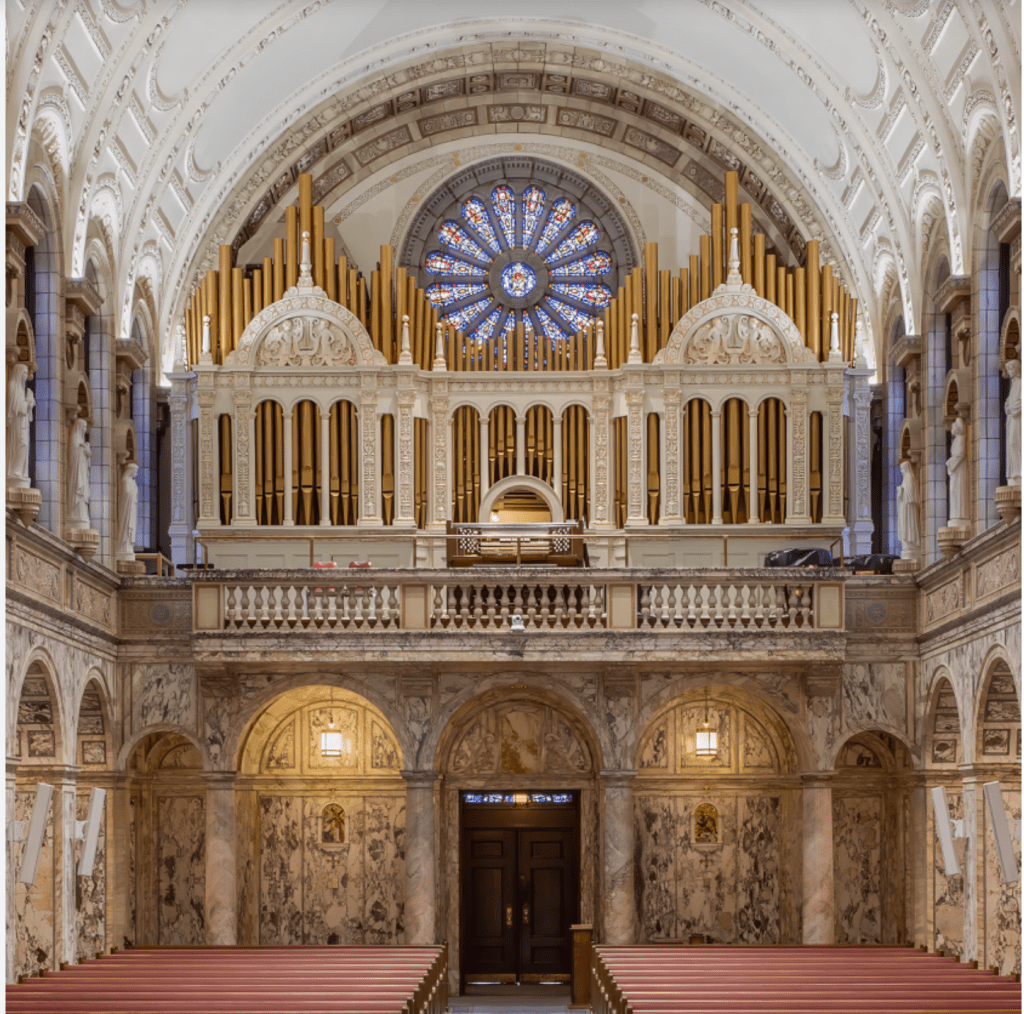
In the choir loft pictured above, my first tutored organ lesson with upperclassman Thomas Owen Parker included the following instruction:
“A pipe organ’s three keyboards, top to bottom, are officially known as … ”
CHOIR
SWELL
GREAT
In retrospect, Stephen Sondheim’s lyrics, originally penned in 1959 for Ethel Merman’s astonishing stage performance in GYPSY, seem now to have been a pitch-perfect introduction to my blind date with the pipe organ! Let’s give Ms. Serendipity a standing ovation, and let’s have an encore too!
“YOU’LL … BE … SWELL !!
YOU’LL BE GREAT !!
GONNA HAVE THE WHOLE WORLD ON A PLATE !!”
*
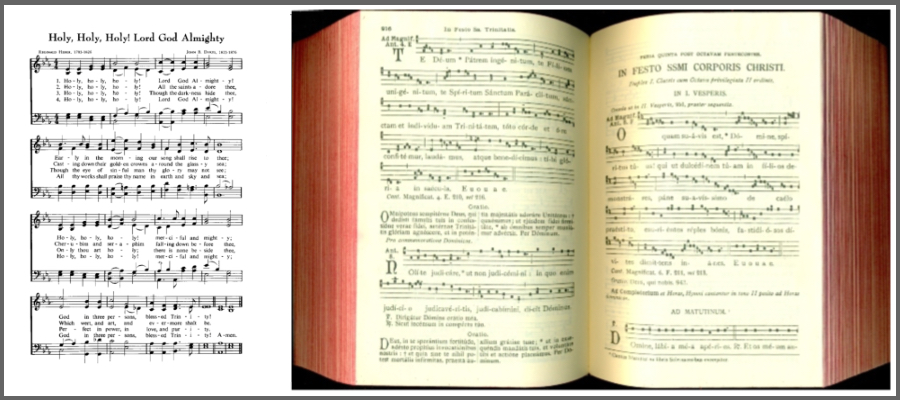
Sheet music without guitar tabs was suddenly the order of the day. But hymns, lacking in Wagnerian coloratura excess, appealed to me because they are intrinsically easy to hum. I memorized the logical chord progressions and created a dependable sense of muscle memory. Our required choir textbook Liber Usualis introduced me to Gregorian Chant, the foundation of Western music stretching back a millennium. Its comforting approach to sonic meditation is a vibe which abides in my original music to this day.
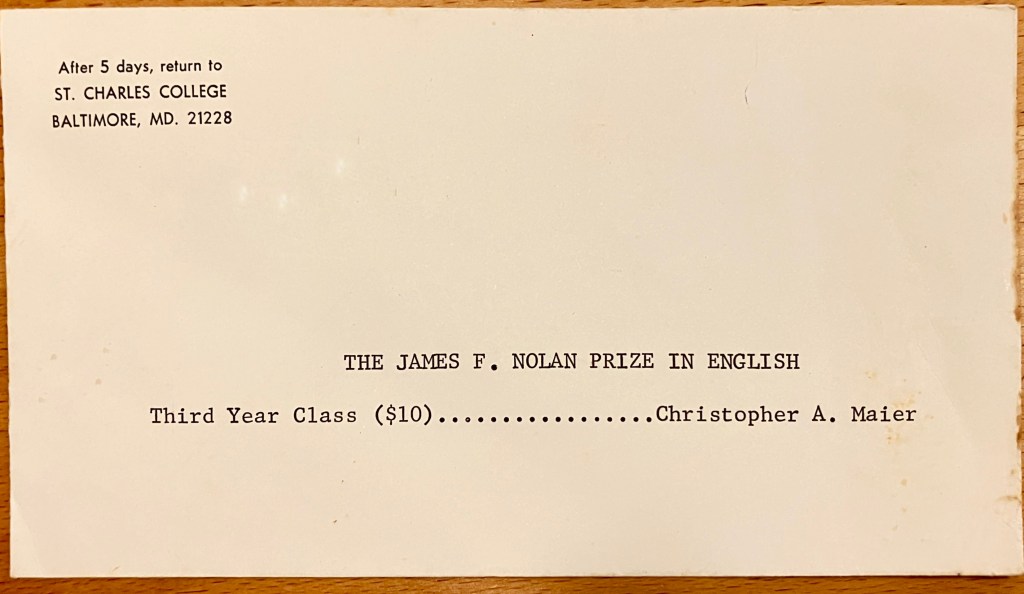
However, three years of religious boarding school turned out to be quite enough for me. Completing my junior year at St. Charles College and receiving the James F. Nolan Prize In English, I somersaulted into public high school as a quintessentially naive senior and blossomed unexpectedly as the piano accompanist for Howard High School Chorus. Simultaneously excelling in art classes and nabbing lead roles in academic theatrical stage shows, I was awarded a Senatorial Scholarship to University of Maryland and (wisely) pursued a degree in Art Education.
I dabbled in music all the while, played publicly for a beauty pageant and arranged summer gigs with seaside resort songbirds on The Delmarva Peninsula. A career job as middle school teacher of Art came my way, and I entertained solo on piano in some flash-in-the-pan Philadelphia restaurants and more than a few jaunty gay bars.
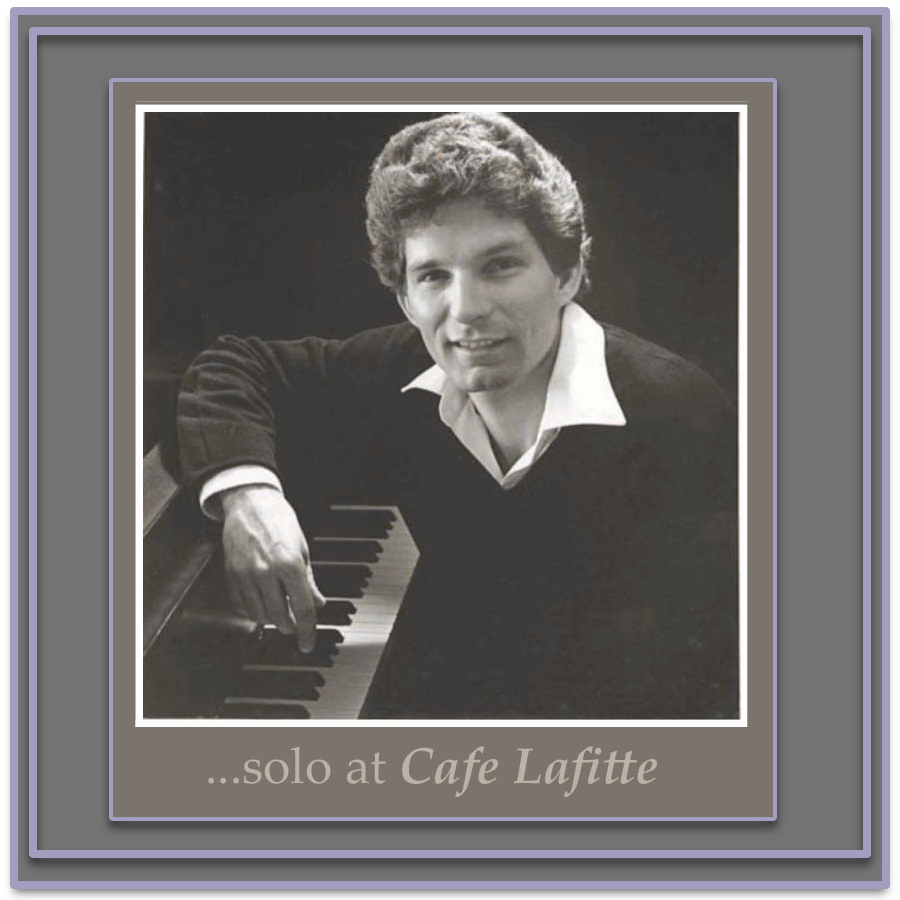
For those animated venues, it should be noted that the repertoire I chose to perform never had quite the right vibe. One particular drunken critique was delivered loudly from a bar stool about 20′ away: “C’mon, man! Jazz it up!! Play some Billy Joel !!! Play some Elton John !!!!” The fact of the matter is, neither Joel’s Big Shot nor Elton’s Crocodile Rock were on my playlist, nor would they ever be.
Then something unusual happened. It seems my ship was about to come in. And believe it or not, it truly was The MS. Serendipity masquerading as Scuffy The Tugboat!

Scuffy The Tugboat was one of my favorite Little Golden Books as a child.
Having emerged from University of Maryland in 1972 with a degree in Art Education, I quickly realized while teaching school that one must take odd jobs during the summer months to make ends meet. As the years rolled by, the usual piano gigs seemed few and far between.
In 1983, one alternate summer job I acquired through a friend of a friend funneled me directly into a rough-and-tumble construction site in Center City Philadelphia. I spent ten grueling weeks performing hot-and-sweaty concrete slump testing for fresh truck pours, daily gathering dozens of cylinder samples of slurry to be picked up for scientific analysis. It wasn’t exactly the kind of manual work that is gentle on piano-playing hands, but it payed the mortgage more reliably than those less-than-predictable piano gigs.

- As a side note, there was inherent danger in my concrete testing job, including the sudden collapse of a 10th floor limestone slab. It fell directly onto our original concrete pump site, which that very morning had suffered a pipe seize and had to be relocated 30 steps laterally. And in another close call, the concrete contractor suggested that I might be tossed off an upper floor of the building for reporting to him that traffic delays had timed-out a dozen of his trucks, which were therefore officially not allowed to pour. Not exactly the keys to the magic kingdom I was looking for!
In 1984, that ten story structure on Logan Square opened as the Philadelphia Four Seasons Hotel. To honor my hard labor in erecting the building, a friend suggested we go for cocktails in the Swann Room. Sipping a gin and tonic or two in the delightfully cushy surroundings, I eventually had to make a trip to the restroom. Sparkling crystal chandeliers and lavish brocade wall coverings made my search for the loo an absolute joy.
And that’s when I saw it. A great big brand new Steinway grand piano sat quietly in the shadows of the darkened Grand Ballroom. Tentatively I approached the glimmering keyboard, and without seeking concierge permission, sat down quietly to explore the sounds of my deepest heart, alone in the finest space I had ever encountered.
Barely a minute passed before a door opened in the farthest corner of the darkened ballroom. A tall man stood at attention, his suited figure silhouetted in the glaring light of the kitchen’s doorway. He then strode directly toward me – and I was sure I was in trouble!
“Do you want a job?” he asked. “We have banquets, receptions and dinners planned, and that is the sound I am looking for.”
In that moment, my life changed. I learned that my passion for thoughtful lyric music was not particularly suited to the noisy bars and restaurants where I had been sharpening my piano keys. I bought a tuxedo, (make that two) and was suddenly providing luxurious background music for top corporate and social events, with the occasional movie star in attendance.
In true Clark Kent style, I taught New Jersey middle school children during the day about the wonders of Art, as per my University degree. I then donned a tux to play my heart out for the finest evening and weekend Philadelphia parties. This dreamboat job sailed me clear into the 1990s!
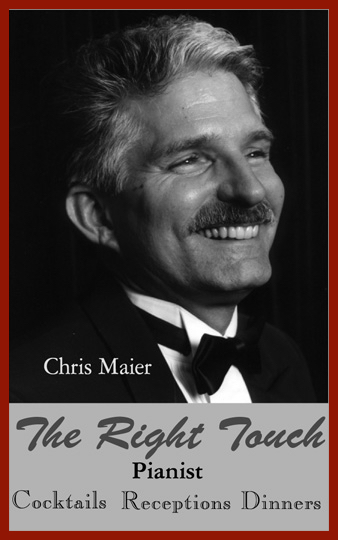
For one particular event, the Steinway grand was actually delivered late to the ballroom because Prince himself had not quite finished working out on it upstairs in his Four Seasons Hotel suite.
On another occasion, a dance band rock n’ roll musician swept past me on his way to oblivion and sniped, “How can you stand playing that kind of s#*!?
His rude comment caught me off guard, for I was in the middle of Hoagy Carmichael’s Stardust. I was unable to muster an answer for him, for the cocktail pianist in me is quite the tongue-tied optimist!
But I do know this:
The Good Ship Ms. Serendipity has come calling multiple times over my life. Her inexplicable visits have allowed me the opportunity to prove beyond a reasonable a doubt that old Mrs. Parsley, God bless her long-departed soul, was utterly and completely wrong … about at least one of her young. impressionable. students!
Post Script:
In the early 1990’s, having spent a decade on the keyboard, I opted to expand my horizons. I produced a series of studio graphite architecturals and plein air pastels: Art, Music & Ideas.
Two decades later, my musical trio CamdenpopRock AND my multimedia one man show Just For The Record miraculously sprang to life!

FIN
*************************

“Penniman’s is on fire! Penniman’s is on fire!” Molly Morrison shrieked as she peddled furiously past our house, pigtails flying into the sunset.
We all heard her, having just settle down at our makeshift outdoor tables for a Saturday cookout. No one had to ask for permission to be excused. This was a neighborhood tragedy. We had never seen a house afire on Lawyers Hill.
I was the first up and out, leaving a plate of magnificent sliced summer tomatoes and my small portion of sizzling steak to cool in the evening air. Caesar could have it, as far as I was concerned. Within seconds I was on my familiar path across the pasture, over the fence and through the woods to…to what?
I held my breath and ran.
Just the week before, I had been inside that mammoth old closed up summer mansion, poking around with a flashlight, hoping to find the truth about life.
Our neighborhood was built on Truth. From the enormous granite railroad viaduct that leapt in eight great arches over the shallow old Patapsco, to the fascinating people who led quiet lives behind shaded, shuttered porticos, every square inch of my childhood world was steeped in rock solid Truth. But I didn’t know what it was! And my hunger for it set me on a search that began when I was old enough to wander off, and hasn’t quit since. Which explains the flashlight, and a lot of other stuff that will probably end up in later stories, although I doubt now that I have the courage to see it through.
From the outside the Penniman House was amazing. Three stories tall, and I mean tall stories, with a roof so steeply pitched that you could get vertigo just gazing at the zigzag designs cut into the silvery shingles. Truly Gothic in form, though not heavily ornamented, the house stood alone on a wildflower knoll surrounded by deep forest. One might characterize it as a masculine Victorian design, wearing its restrained dignity as would a top-hatted gentleman of the 1870’s.
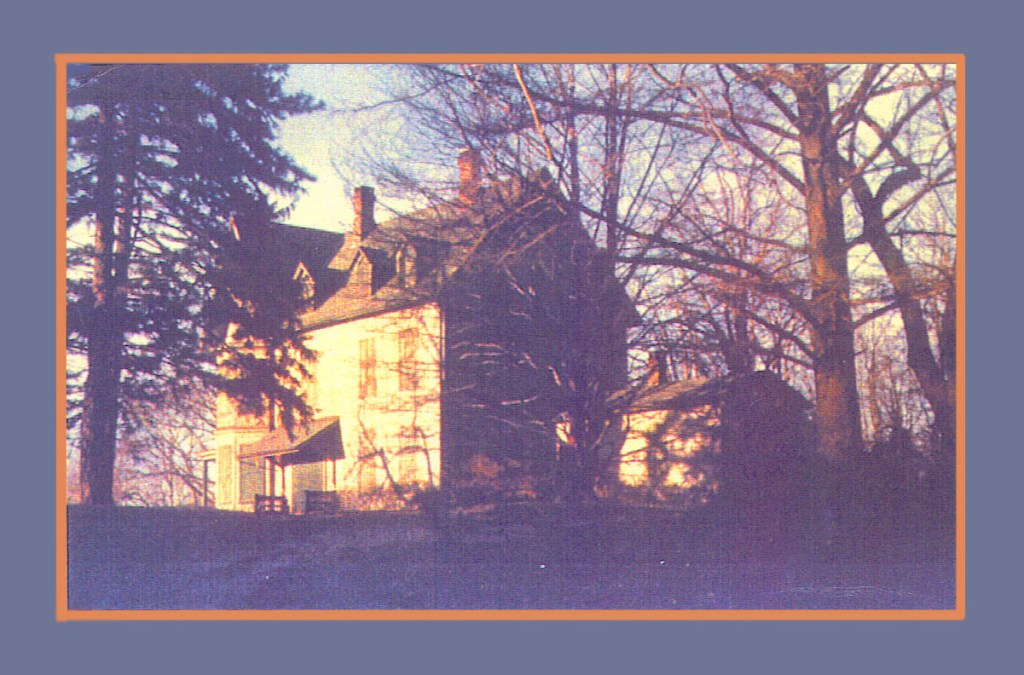
Always shuttered and locked, Penniman’s was the world’s biggest mystery, ancient unpainted cedar siding, porches and railings gleaming in the twilight of its existence. I had often visited the property by myself on golden days of childhood leisure, paying homage to its silent vigil among the oaks and beeches. At the edge of the cavernous front porch, an overgrown extra-wide flagstone walkway led to a rose-enshrouded twig gazebo that was a wonder to behold, and I spent many happy hours there hidden from the summer sky, thinking about the lives that had created and loved this place.
Where were they now? Why did no one come to open the house and welcome me in for a plate of cookies? There was so much I wanted to know. Were I to actually meet the owners, I would ask questions politely and memorize the answers and hold everything inside until some future time when the world would make sense.
A stone’s throw away from the big house were several small wooden structures, (slave quarters, we used to call them) that were unlocked and wide open for anyone to explore. In one of these little cottages were three wobbly wooden chairs clustered around a table crazed with peeling paint. There was a hand-crank butter churn too, and a four quart creamer marked “KOLBSDAIRY BALTO MD” in copper, although the bottom was rusted out. I used to study the slave quarters carefully to discover how people could lead simple clean lives far away from the frightening gas stations and liquor stores down on Route 1. Safe and sound in the farthest reaches of our near magical neighborhood, I even considered setting up a permanent hideaway here, arranging everything for myself, transporting my small treasury of little blue-green glass vials, smooth creek pebbles, and glossy horse chestnuts from the spring house down by the viaduct.
But there was something not quite right about setting up a fort this close to the pea gravel driveway, on the other side of which loomed the Penniman House. So I kept the springhouse as my retreat, and remained a visitor on the wildflower knoll.
About the flashlight mentioned earlier, I didn’t actually have one, but found the back door to the big house open one late afternoon in early September, and spent the next 45 minutes wishing I’d taken the time to run back home through the woods to try and find a working Eveready in our own chaotic household.
Fat chance, I knew, so I just walked right into that pitch dark closed up summer mansion and waited for my eyes to adjust, trusting that there would probably be some light coming through some hole in some shuttered window somewhere.
Never one to be afraid of encountering the woodland unknown, falling into some abyss, checking out early, I suppose my childhood explorations contributed to making me feel secure. I was guided by a sixth sense and a joie de vivre that could not be contained. The excitement I felt actually being inside the most intriguing house ever gave me the sensation of floating through a guided tour, and I could not take in all the details quickly enough.
The first room, the kitchen, was spacious and empty, as if regretting the loss of its cook’s table. And though the light was at its best here, there was little to see except a cast iron sink in the corner and open shelving all around. The high ceilings created an unusual sense of space, but painted clapboard on one wall indicated that this room was not an original part of the house. The floor sloped gently up towards a big black hole of a doorway, which beckoned me further.
In the dimming light, I understood that the house was fully furnished, all covered with dust sheets. My heart raced as I became more aware of my surroundings. Pinholes and crevices at the tightly shuttered windows cast pools of dreamy white light across the floor, and I slid easily from one “spotlight” into the next, marveling at the theatrical way the rooms revealed themselves.
Draped sheeting suggested that here was an overstuffed sofa, there a very tall upright grand piano, accompanied by a wing chair in front of a gaping fireplace. I was very proud of my good fortune, and knew that my friends would be amazed when I told them of my adventure…if I told them!
I was thinking of Molly’s face expressing wonder at my tales, when I saw what I thought was a body lying on a davenport, partly covered with a sheet. I gave a quick start and then stood perfectly still for an eternity, studying the shadows and formulating a matching plan to flee. As my eyes grew wider, the gloom receded. The ringing in my ears and the alarm of the moment seemed too much to bear. And then, as suddenly as it began, it was over: My heightened state of awareness signaled that there were only wads of old newspaper bunched up on the cushions, as if left there by someone’s careless packing or unpacking.
I breathed a sigh of relief, and chuckled at my foolishness in thinking that danger could actually be close enough to run from.
As I relaxed and turned toward the massive staircase, I encountered a huge portrait in a gold frame, resting on the floor and tilted against the wall. Darkly lit yet clearly defined, the image was of a boy who seemed much loved but a little lonesome in his waistcoat and high button shoes. With the bandana I carried for collecting creek pebbles, I polished away dust to see the designs that surrounded him. Deep shadows in the background hinted at a forest, and the grass at his feet was soft and windswept as a garden path.
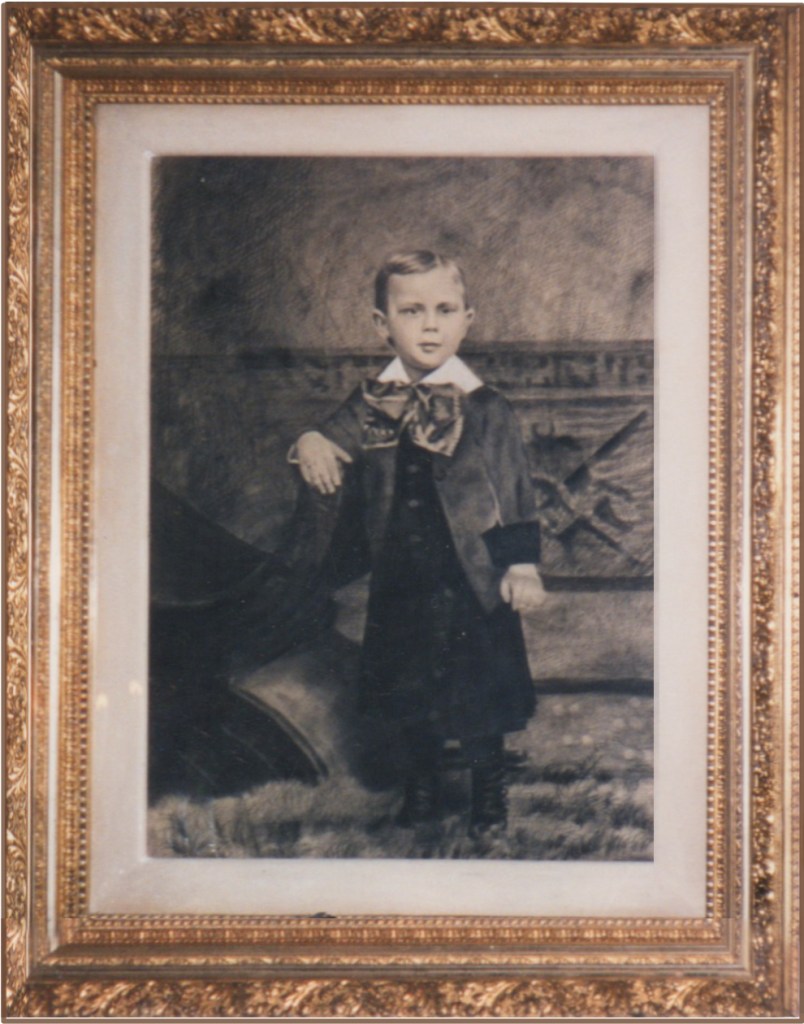
Author’s note: As incongruous as it might seem, in 1997 as a grown man and an antique dealer, I found this immense 4′ high gilt-framed charcoal portrait of a 19th century child in a Baltimore antique store on Howard Street. I purchased it without delay and, during an editing sequence for this particular story, inserted the concept of the image into my memoir, for it embodied the spirit of my neighborhood and the mystique of Penniman House.
Face to face except for the wavy picture glass and the years that separated us, we shared a quiet moment. And I wondered if, once upon a time, he had played in the twig gazebo too.
It was then that I realized the light truly was fading. Since the real danger lay in being inside the house without a shred of light to help me retrace my steps, I reluctantly decided to leave. Hallways, parlor, kitchen bid me goodbye, and I emerged at the unlocked door into a blinding twilight, frustrated that it wasn’t as dark as it had seemed inside the house, frustrated by the lack of a flashlight to enhance my adventure. But it was just as well anyway. It was suppertime.
Back home, I entered the dining room late for the meal, and I said nothing of my secret. Nor did anyone ask. My family was always in turmoil, with nine children, a couple of cats, a pair of dogs, a parakeet, and two exhausted parents. The preparation and service of food was a lesson in deconstruction better left unstudied. But I enjoyed thinking (as I skillfully avoided the overcooked lima beans) that I’d get a flashlight somewhere. Maybe the rusty one down in the basement still worked if I could find some batteries in the kitchen drawer. I knew I would go back tomorrow and really see the old Penniman House, with its immense rooms, paneled doors and who-knows-what upstairs.
Upstairs…upstairs was the attic! By exploring the attic whose secrets were protected by that incredible pitched roof, I’d learn what the architects of the house knew, as they dreamed up the plans for that vaulted third floor.
I’d study the work of the carpenters who proudly measured, cut and joined the thick wooden trusses to stand through a hundred years of seasonal storms.
I’d marvel at the masons who could coax a brick chimney to veer dizzily off course in search of the perfect opening between gables, a matter-of-fact feat of wonder in old house construction.
And I’d think about the first owners, (the Pennimans?) who must have taken such delight in peering out their stylishly pointed attic windows; who from their cozy spot could survey the fresh flagstone pathway leading to the twig gazebo planted with young roses; whose hearts soared over the lawns and through the forests, hearts light enough to see beyond the creek, above the river and past the sparkling new granite viaduct below, so grateful that they had realized their dream of a summer home, an hour’s ride by railcar from the heat of the burgeoning city…
These dreamlike thoughts were interrupted by Molly Morrison’s cry of “Fire!”, and I could not arrive at the wild flower knoll fast enough. My initial glimpse of the front of the house included Walter, the big hired colored man who acted as caretaker for several of the fine homes on Lawyers Hill. He was wandering to and fro, saying worrisome things to himself, his strong, deep voice muffled and incoherent. As I ran toward him, I saw the kitchen entrance engulfed in flames. I remember Walter and myself being the only two there at first, joined in the ensuing moments by the rest of the known world and several fire companies too.
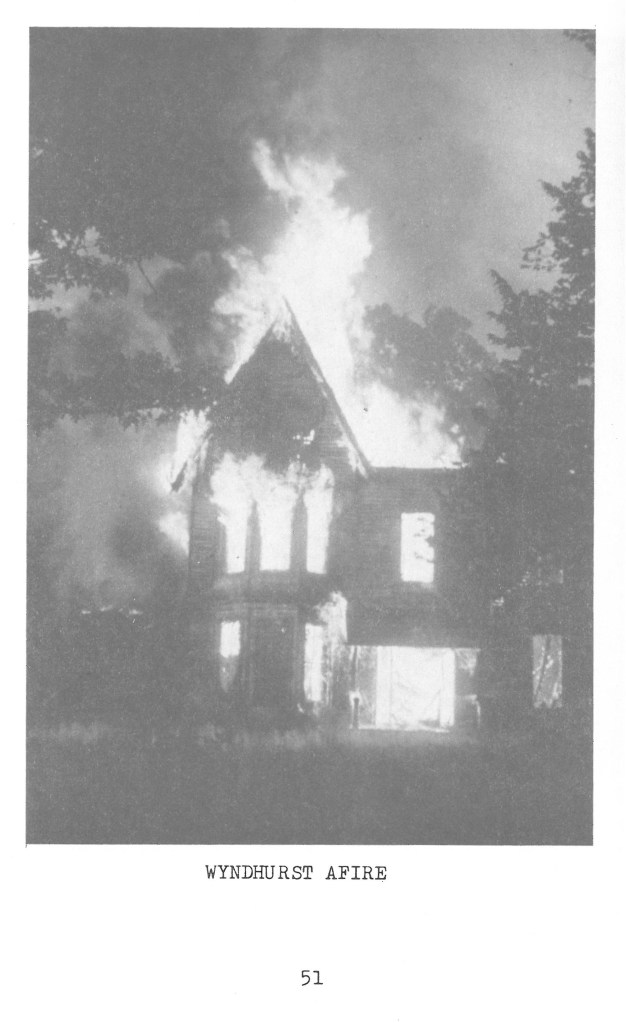
Author’s note: As a grown man, I learned that the Penniman House was more accurately known as Wyndhurst, named so by the original Dobbin/ Penniman family who built it in the 1860s.
As the flames lit up the night sky, I think I entered into a state of shock. I don’t recall being with anyone for the rest of the event, although all of my family and friends were surely present. I think I must have been with the Penniman House as it gave up its ghost.
One clear image, however, is burned into my memory. It is of our neighborhood’s fine artist, Leonard Bahr, who lived and worked down the road from us in a studio with a big skylight. The old master was sitting under a spreading fir tree, among the fire hoses and ladder trucks, oblivious to the danger, sketching the terrifying event with his oil paints. Bathed in the orange light, I knew he was doing something important. I knew what he was doing was True.
Shortly after the fire, while I was newly away at seminary doing my adolescent part to discover a special life for myself, men in bulldozers and earthmovers leveled Penniman’s forest and wildflower knoll. Interstate 95 was about to be built, connecting Baltimore to Washington DC, ripping through the past, severing access to our beloved creek, and burying the quieter parts of my childhood forever. Sequestered at school, I wasn’t able to attend the funeral. Never visited the creek again until I was well into middle age, but this time, it was from the other side.
FIN
************************************

Setting up my big fat digital piano keyboard in Northgate Park for an October festival called Camden Night Gardens Harvest Table should have made me feel wonderful. Instead, I had my reservations, and they were becoming increasingly well-defined as evening fell on the neighborhood.
There were reports of rain showers in the area, and nothing is worse than dealing with electronic music equipment in the rain. Now, before you get the idea that I am a tried-and-true techie who rocks on headset to Nikki Minaj, my actual performance stock-in-trade is “Ballroom Reception Grand Piano”.
But the digital age is fast upon us, and I am occasionally required to haul around a 75 pound synthesizer keyboard and PA system to perform for weddings and receptions. It is however a fact that, by the second song or so, I’ve forgotten the difference between real and fake, and I play my heart out – for better or for worse, for richer, for poorer.
On this particular evening the impending rain was the least of my worries. I was hired to play my fancy Cocktails & Dinner piano music outdoors, in the shadow of an actual city ghetto that had enjoyed more than its share of drug deals and murders during the past few decades.
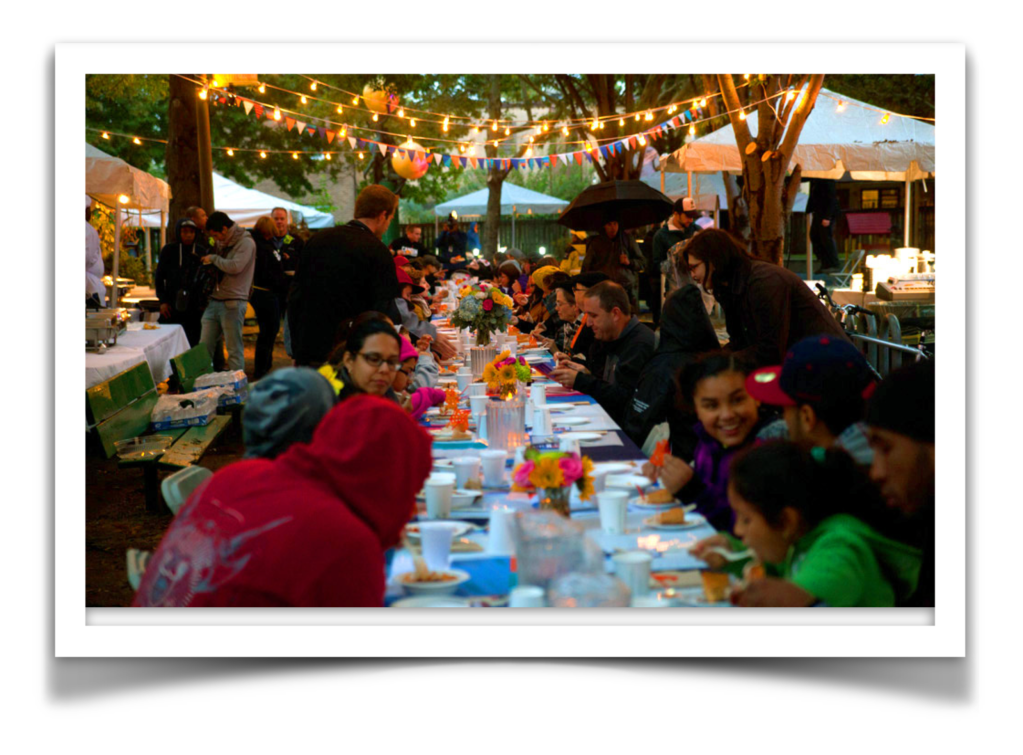
The Festival promoters, Nuit Blanche of NYC, had successfully shooed away troubled individuals who may have been lurking in the park, and the mature locust and maple trees glimmered with colorful LED light-icicles. The pungent aroma of corn bread and chili hung in the air. Extra-strong paper plates and cute plastic cups had been carefully arranged on what was proudly purported to be The World’s Longest Tablecloth, recently conceived and sewn by hand in Camden by sweet-hearted individuals who were trying to improve the vibe of the City and make it into the Guinness Book of World Records at the same time. Above the long banquet table, looping lines of glowing incandescent bulbs zigzagged into the distance, offering an air of gentle grace and hospitality.
I recognized the beauty in my surroundings, and appreciated the sincere efforts of all involved. Concentrating on my left and right cable hook-ups, I thought of composer/lyricist Cole Porter holding court at his glittering cocktail parties in New York City. He gave me a wink and a smile.
“HEY MAN WUZ HAPPININ??’ AIN’ NUFFIN UP! MAH SISTER SHE AX YOU TO COVER FO HER, SHE GOTTA GO BACK N GET HER CHEF HAT. I GOTS ANOTHER ‘N HERE BUT SHE LIKE HER OWN SHE DECORATED. HEY SHANNIQUA, WHERE’S DA LADLES AIN’ NO LADLES IN DA BOX! LOOK IN THE OTHER BOX DUFUS! YO, BRO, SUP? WHO ZAT GAL I SEEN YOU WITH LAS SUNDAY? SHE ALREADY HOOKED UP WIT MAH COUSIN! YOU BETTA GETCHOW ASS OUTATOWN FOR HE CATCHUP WITCHOO. WE NEED DUCK TAPE FO DIS CHILI STATION! HEY BOSS!”
The steady state of this ‘whatever’ conversational buzz formed the background for the delicate lighting and pretty tablecloth, which at dusk had begun to transform the park into a land of magic. But the loud street talk by the catering staff was beginning to worry me. They were working steadily and in sync, to be sure, for they had been coached and carefully prepared for the evening by the dedicated employers and teachers at RESPOND.
RESPOND is a home-grown 501c3 catering business located in North Camden, offering a school for individuals wishing to learn a trade. The apprentices accepted into the program work hard to learn the preparation, presentation, service and cleanup of festival meals for events throughout the City. The skills they acquire locally prepare them for professional work in restaurant, hotel and cruise ship arenas.
“SHANNIQUA, THESE ARE SOUP LADLES. I NEED DA PUNCH LADLES!!”
What have I gotten myself into? My mind scatted through my tired repertoire of Broadway hits. If I could play rap music by Pit Bull or Yung Poppa, I’d fit in well enough. But, being an older gentleman who specializes in The Great American Songbook – well, that’s all I knew! And I had come upon a pro bono work situation where I certainly did not fit in: too white bread, too waffle beige, too whiffle ball, witless and boring. I did a soundcheck. At least I had worn jeans and donned an official Camden Night Gardens festival shirt for the night. I’d left my tuxedo at home in the closet, stewing in mothballs.
The gates opened on schedule at 6pm. One hundred reservation-holding guests poured into the Park for the first of two seatings around The World’s Longest Tablecloth. Black-white-brown-yellow-tan – and everything in between – showed up, all friendly faces, looking for comfort in very unfamiliar territory.
I dug into my piano flourishes and tried to be hip by playing “Moondance” first, already a whopping forty-seven year old song. No one seemed to notice, so I barreled through with a string of Disney tunes next, and could not guess how I fit in with corn bread and chili. An occasional nod and smile came my way. That always tickles me pink, and loosens me up a bit. To hell with Pit Bull and Yung Poppa.
“You know Route 66?”
A well-dressed African American woman twenty years my junior approached the piano and queried me. Old enough to be her father, I smiled, gave her a wink, switched gears deftly, and began to play the rhythmic notes … If you ev – er … plan to mo – tor west …
“That’s too high. Take it down.”
Oooh, she wanted to sing! I dropped the arrangement down three half steps. She grabbed the mike and took over. Within seconds she was delivering a blockbuster version of the 1946 classic, which was actually Nat King Cole’s radio hit well before I was even a twinkle in my own father’s eye.
I matched her verve and energy on my digital keyboard, and she personally escorted me to musical heights I never imagined I’d reach. Together we nailed it, drawing a ferocious round of applause from the surprised guests and staff. Cameras flashed and the evening took wing!
The second seating was pure delight, if lacking another magnanimous guest soloist. My music no longer seemed out of place, and the crowd responded sweetly. As the evening drew loosely to a close, children approached and asked questions. “How can you play standing up?” and “Where is your music?” were two of my favorites.
But the real kicker was the staff. Dozens of them passed by my piano as they cleared the tables and chairs. I was wrapping my left and right speaker cables carefully.
“You give lessons?”
“That was beautiful, man!”
“Oh, I liked that music, yeah!”
“Listen you just made my day!”
“What was the last song you played?”
“My auntie is pianist for our church, but she can’t play like that!”
And on and on and on. What I had apparently done that evening in Camden was to introduce the staff – and perhaps many members of the audience – to the sound of piano dinner music such as I had played for a decade at The Philadelphia Four Seasons Hotel. It may have been the first time many of them had participated in an event where thoughtful ambient piano music was provided. And they liked it. Chili and cornbread never tasted so good.
*
Recently, during a think tank discussion on the merits of our blossoming ArtCrawl initiative in Camden, an eloquent African American social worker dismissed my creative vibe as being irrelevant to the needs of the residents and the City. She stated that our ArtCrawl efforts were, in her words, “too beige, too white bread”, not giving residents anything they can relate to.
Hogwash, I say. And plenty of it. Moondance is universal!
FIN
*************************************************

From my earliest childhood, tall case clocks and clocks in general have appealed to me. Beckoning from afar – on the wall, on the mantel, on the tower – to think on them, to understand them, is to bond with them.
Like most children of the 1950’s, I admired Captain Kangaroo’s mysterious stage companion “Grandfather Clock”, a TV character who awakened with a bluster every time a key was introduced and cranked a few times. And LeRoy Anderson’s orchestral The Syncopated Clock was the thematic music for the CBS Late Night Show, offering a reliable signal that it was time to leave your parents’ company and get to bed.
Burrowed deep within my own 3-D innocence was a contemporary grandfather clock with Westminster chimes, resting on a luxurious two-step landing in the vestibule of the house of my childhood friend. Holding court high above us as we played on the stairs, it was untouchable, unerring, and certainly beyond understanding, given my background.
My mother, lacking our neighbor’s largess, only managed to acquire a castoff brass pendulum suspended on a 24” wooden stem, painted black. It was a 19th century token which she displayed as fine art on our living room wall from the time I was a toddler. Talk about mysterious!
On the other hand, Mom’s sister Aunt Mary had married well and was able to purchase a contemporary home full of fine furnishings and a baby grand piano.
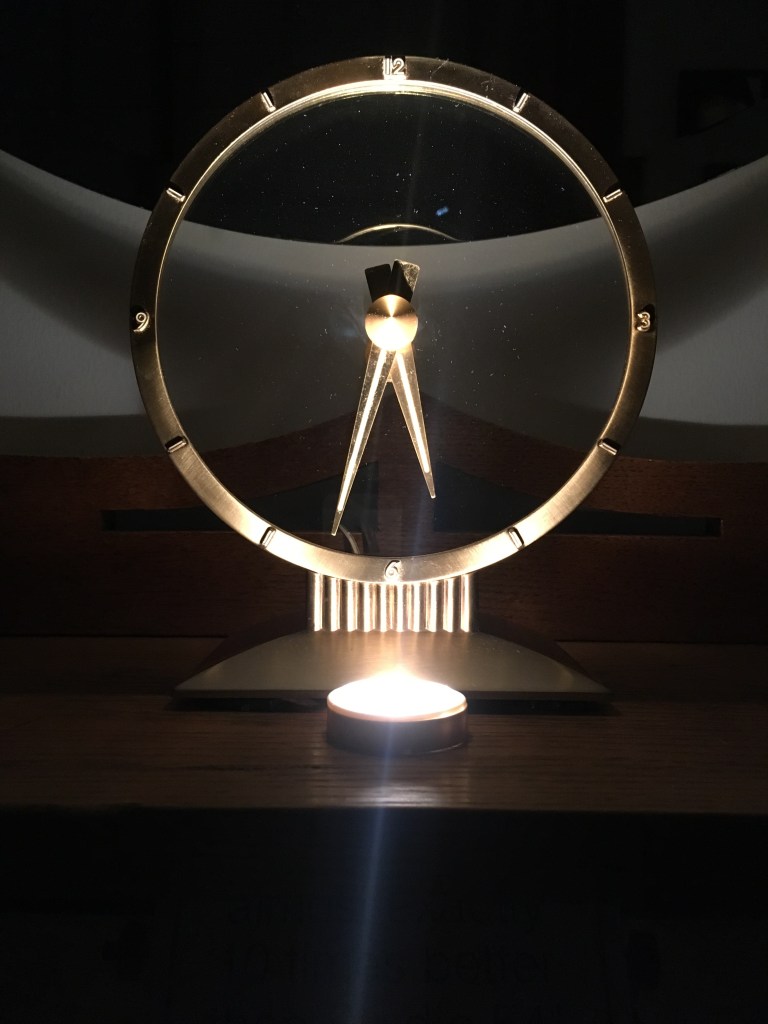
Her Golden Hour clock, which debuted in 1949 at a whopping $24 ($250 adjusted for inflation and plated with 24k gold), was mesmerizing. Unbeknownst to me, its pair of hands floated on a disk of clear glass which rotated one full turn every 60 minutes. While the minute hand was fixed tight to the rotating glass disk, the hour hand was balanced on a series of tiny axel gears which enabled it to spin accurately through its hourly progression. http://www.roger-russell.com/jeffers/jefhour.htm
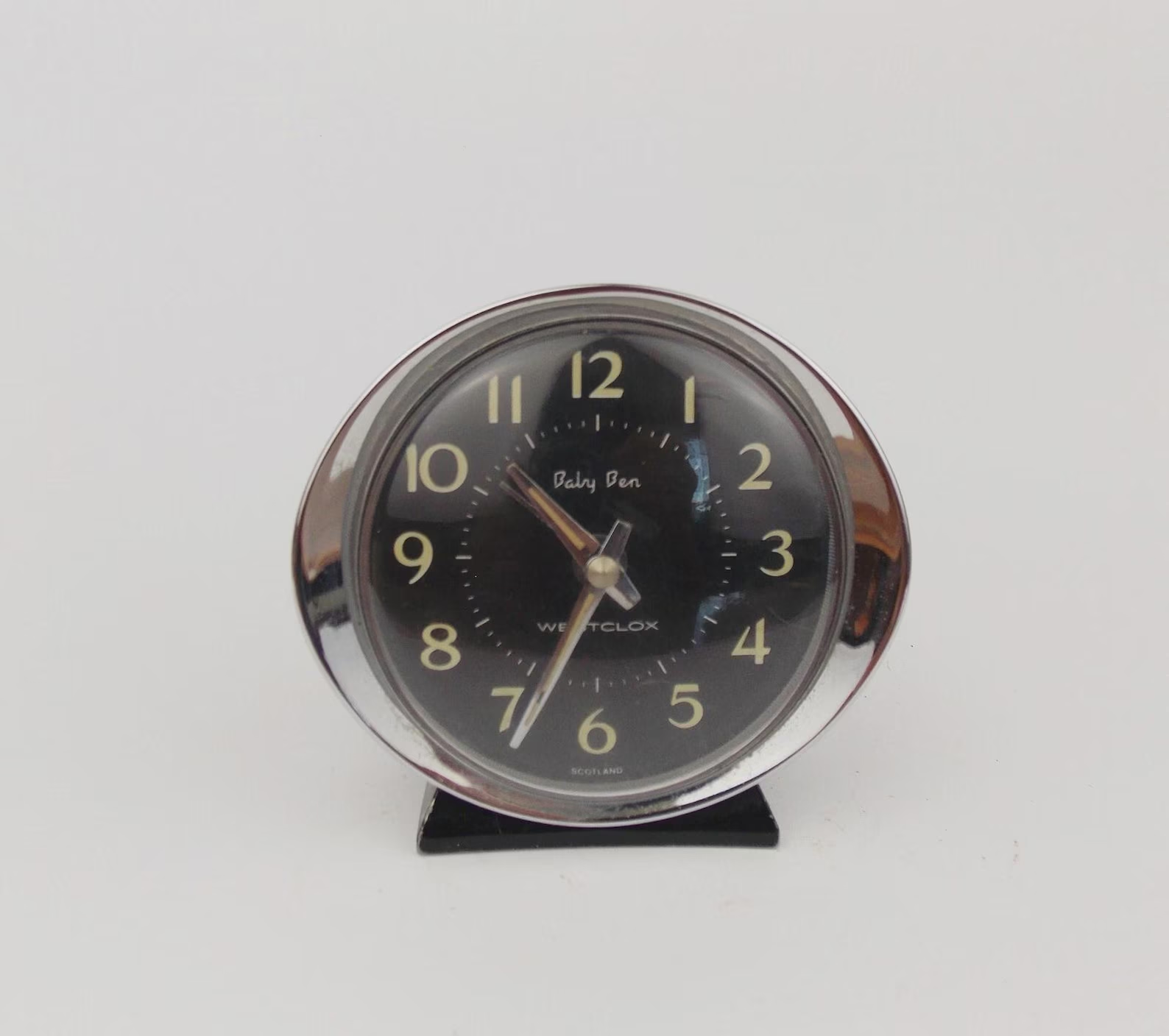
My own first real clock was a wind-up Baby Ben manufactured by WESTCLOX. Designed as an alarm clock for nightstand, I bought it in a rush of college-bound purchases at the local drug store, courtesy my family’s charge account after I had worked steadily all summer to support them. A discrete supply of deodorant and toothpaste went into the bag too.
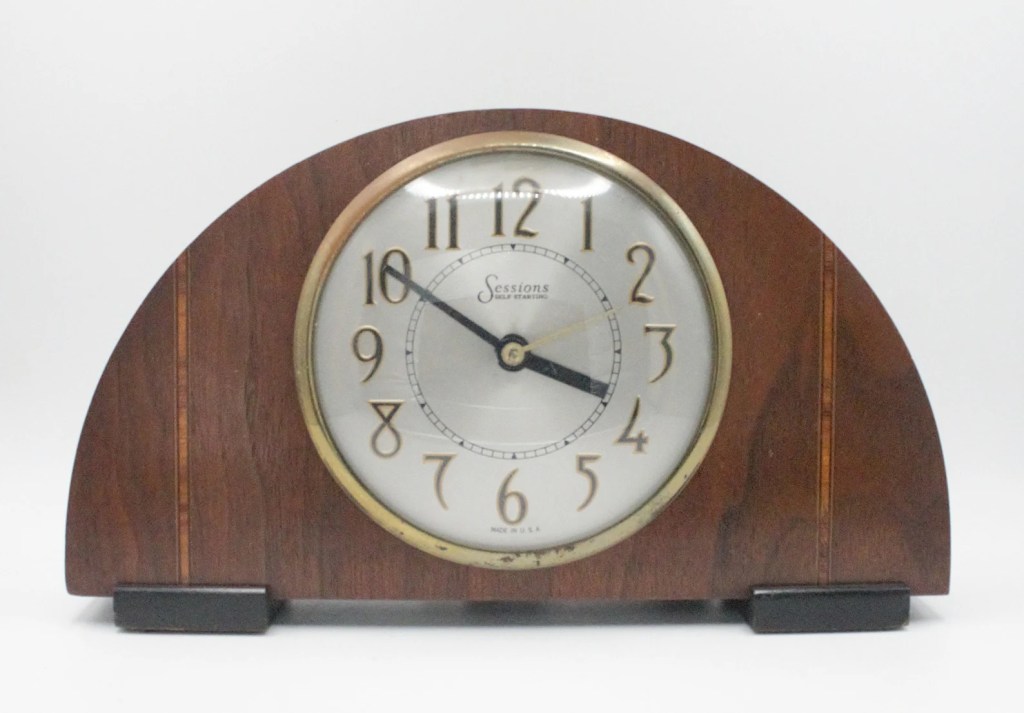
The Baby Ben served me well, but it was replaced some years later with my first collectable electric clock, a Sessions Art Deco, its sleek chrome face set into a perfect semicircle of polished wood, veneered and inlaid with contrasting stripes. Having been raised to think that Colonial furniture design was normal, I had never seen Art Deco before. That 1940’s clock spoke silently to me of a promising future.
Out of college and into the Art classroom, tall case clocks were certainly out of reach for someone of my station. But my fondness for old house renovation in my spare time set the stage for an eventual coming of age and a general understanding of antique furnishings that fit into restored architecture.
A classic Ogee mantel clock was my entree into graceful time-keeping decoration, and I personally refurbished one auction rescue, cleaning the works, locating a key, balancing the pendulum and polishing the mahogany veneer cabinet. It was built in the 1840’s by Chauncey Jerome in New Haven Connecticut.
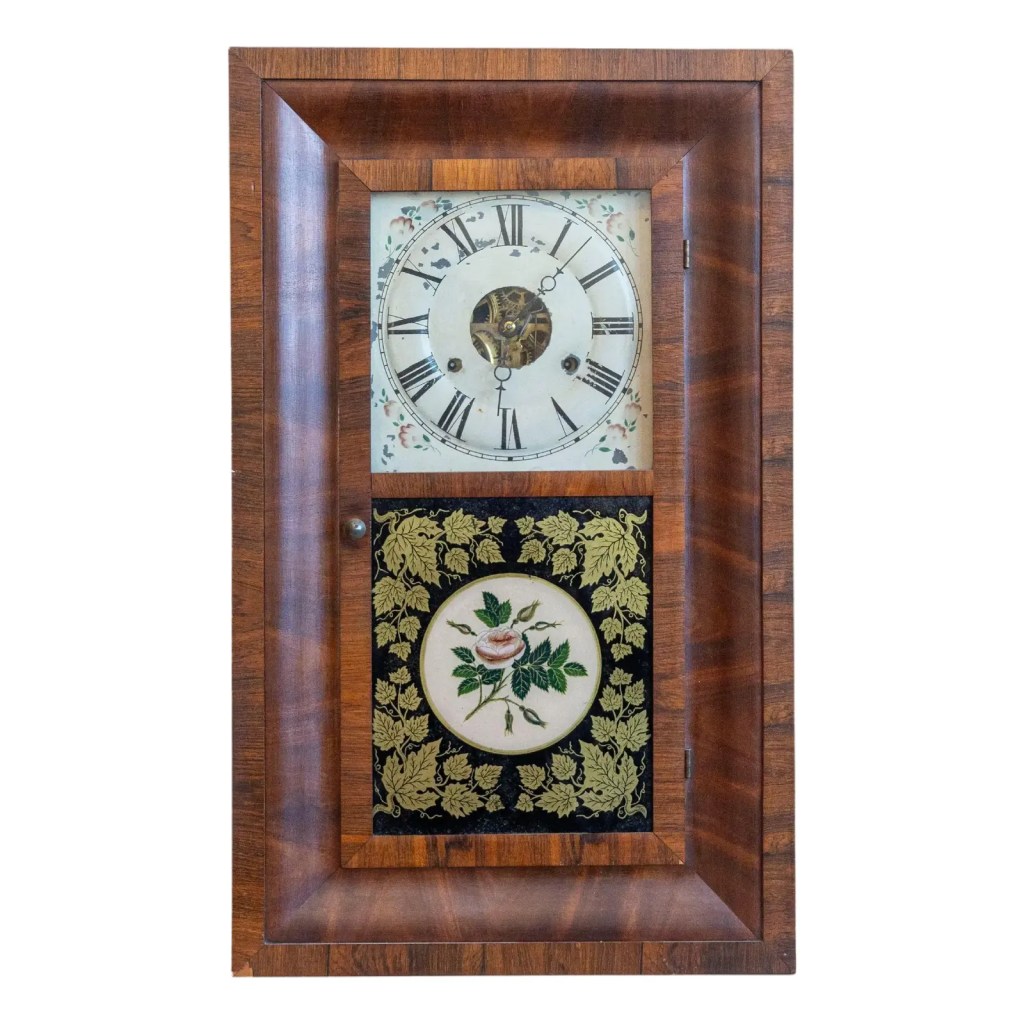
I learned that Chauncey’s brilliant brass clock gears (stamped by machine) were replacing centuries of hand-carved brass and wooden gears. Jerome added a wind-up spring drive to the mix, and was soon producing 500 clocks a day in his New Haven factory. Several years later he was up to 1500 clocks per day.
I also learned that wind-up clocks were among the very first products to roll off assembly lines during the Industrial Revolution. New factories all over the United States needed employees who were capable of showing up to work on time. Therefore affordable mantel clocks that clanged the hour were necessary in every single household. These earliest mass-produced clocks also offered a persistent tinkling bell that, if properly set, went off like a shot at 6am. Chauncey Jerome’s fab creation single-handedly rendered the status quo tall case clock obsolete. Smaller was better, and “your grandfather’s clock” was certainly nothing to covet!
A few decades of career life brought me face to face with the opportunity to develop a part-time avocation as an antique dealer in a little New Jersey town that boasted 80 dealers ranging from single showcase owners to individual storefronts to a couple of antique malls. It was a sparkling time of gadabout adventure, for my weekday routine in the classroom was steady and strong, and my nighttime piano playing days had been safely tucked away due to the general fatigue of predictability.
A local antique dealer remarked to me:
“If you think the things in antique shops are beautiful, you should see the antique dealers’ homes! That’s where the really good stuff is. You just choose to outfit your shop with what you have at home that you can live without, and then you slowly trade up.”
Upon visiting his own home, I was completely hooked. I gave up certain lifelong possessions in order to outfit a basic shop – which on first blush was scantily clad with merchandise, merchandise that included my cute little Sessions Art Deco clock.
The rest of my life disappeared down the rabbit hole as I prowled the country auctions on Friday nights and prepared objects for presentation and sale in my weekend shop.
Thanks to Mom’s influence, the auctions always seemed exciting, for I had a certain taste for cast-offs (remember The Lone Pendulum), the sort of fare in which other established dealers expressed little interested. I brought home many treasures for only a few dollars each, learned about them, and carefully spiffed them up. Most items seemed to bring a reasonable profit, as shoppers in the 1990s were beginning to see the value in Vintage and Shabby Chic as well.
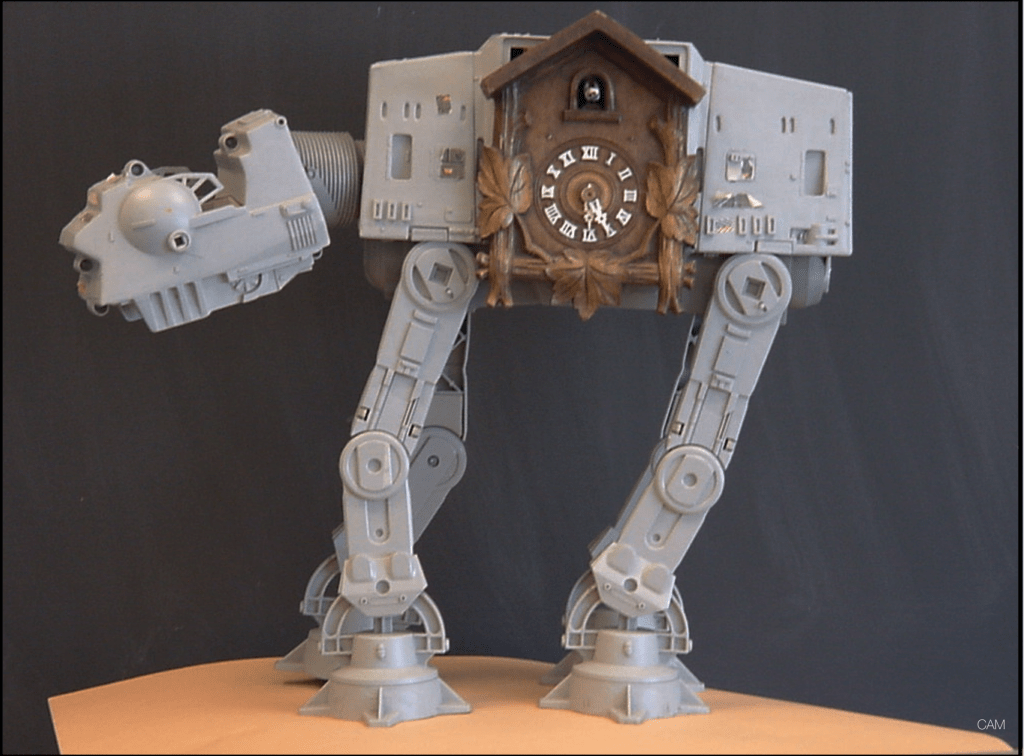
A curious little cookoo clock came my way. When it refused to tick in any way, shape or form, I paired it with a Star Wars AT-AT, thereby creating a quirky sculpture for my art classroom entitled Cookoo Wars. The middle school students responded very well to its presence in my classroom, which was awash with curious still life arrangements for the children to contemplate. There are hundreds (if not thousands) of 5 Minute Freehand Drawings of this cherished curio.
Several years into my foray as a weekend antiques dealer, I happened to land on the mailing list for Maine Antiques Digest and also Freeman’s Auction House in Philadelphia. And that brings us front-and-center to The Tall Case Clock Affair.
There are nearly as many tall case clock types – OK, “long case clocks” – as there are neighbors in your neighborhood, and not all of them will suit you well. You learn this simply by observing. Eventually I could tell the difference between an English clock and an American clock, a reproduction from a bonafide antique, and an ugly face from a beauty.
One weekend while waiting patiently for customers to descend on the vintage displays in my shop, I caught sight of my future true love.
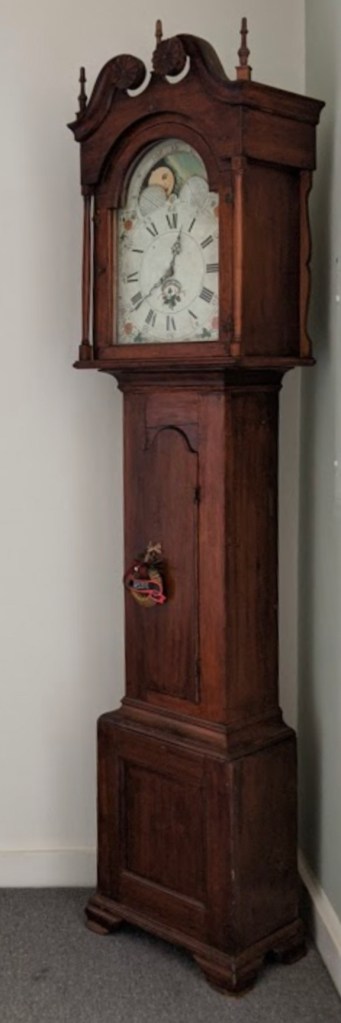
Featured on the back cover of the latest Freeman Auction House catalog, it was a tall case clock built in Reading PA ca. 1790. Plain rather than fancy, stout rather than willowy, and gleaming cherry wood rather than mahogany brown, it had a country air as opposed to city vibe.
And best of all, banged right into the forehead of the bonnet was a quizzical square-cut brass nail, vaguely off-center, smoothed down and polished into the cherry wood surface to perfection.
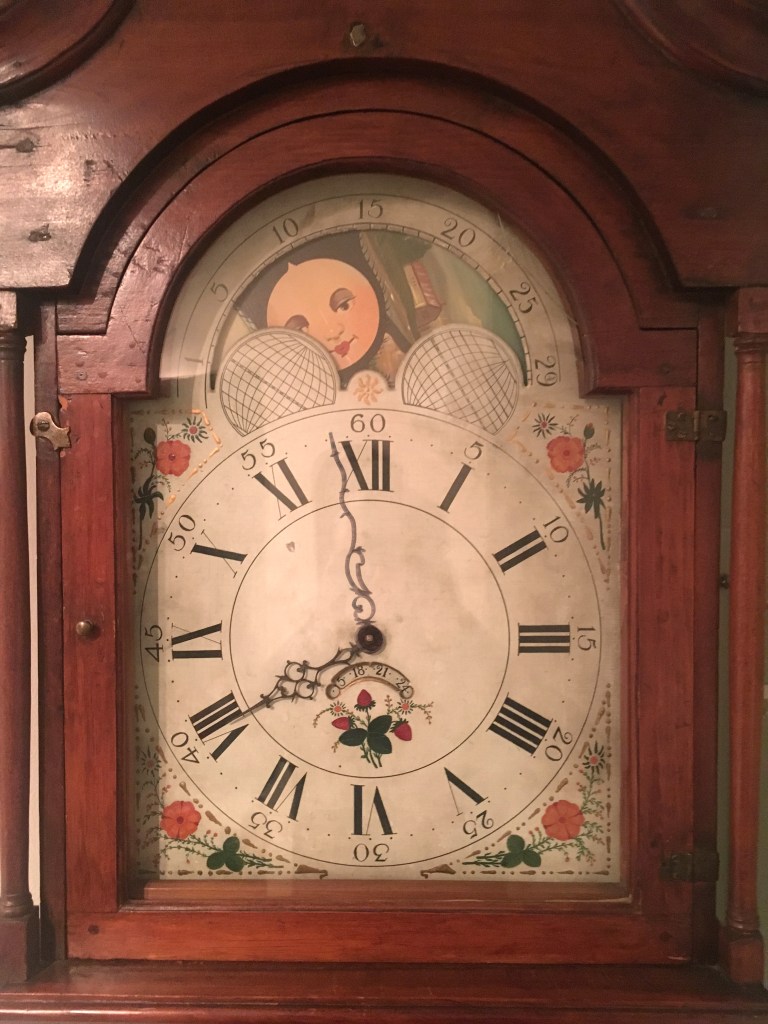
The catalog’s stated opening bid was well below the normal price range for tall case clocks, and it fell within my tight budget. I melted immediately, checked my overall financial plans, and made further plans to attend the auction on Saturday morning.
When I got to the Philadelphia showroom at 18th and Chestnut at 10am, I saw that the clock was not in working order. The weight, chains and wooden pulley were jumbled in a cardboard box next to the cabinet base, and I eyed it suspiciously while the auction action swirled its way around the room and straight into our corner.
“Lot 394, tall case clock Reading Pennsylvania 1790, cherry wood, opening at $2000.”
Uneasy silence gripped the room, and the auctioneer repeated the offering. I knew from experience that if he repeated it a third time, the clock could be withdrawn in a heartbeat. I timidly raised my registered number card in the air.
“$2000. Once. Twice. Sold. Buyer #35”.
No applause.
Gruesome thoughts of utter foolishness crowded my mind. No one else with any taste wanted the clock. I had bought a pile of junk. As vibrant bidding swept the hall for succeeding Lot 395, I departed quietly. The diner across the street promised a belated Saturday breakfast and a comforting place to nurse my wounds. Pickup for large items was contractually scheduled for the following Monday.
In the world of antiques, nothing beats play time, and in finally bringing the clock home, I immediately set it up and began to study its inner workings. Two sprocketed drive wheels were located behind the clock face, one driving the hands, and the other driving the chime strike. Both of these brass wheels were designed to engaged an 8’ chain loop which supported a single hand-carved wooden pulley centered between them. The wooden pulley itself was weighted with what can only be curiously described as a 10 pound cast iron bagel with a handy hook forged into its rim.
I soon discovered through trial and error that the chain that came with the clock was not happily engaging with the brass wheels’ sprockets, nor with the original wooden pulley with blacksmith-forged axel. Suspecting that a former clock-tinkerer like myself had made a bad decision in chain replacement and had given up, I ran through the rolodex of possibilities.
Oddly, I settled on a 15’ length of soft nylon rope which I had seen piles of in a deserted annex at a local industrial salvage yard.
Informed by the yard manager that the rope was WWII aircraft carrier tie-down cord, its supple silky smooth braided thickness was in a drab army green about the diameter of my little finger. It provided the perfect looped connection between centuries-old brass, wood and iron, flowing gently through the clock works, silent as a thief in the night.
The next few months brought the requisite professional check-up and detailing done by specialists in clockwork and cabinetry, unfortunately adding another 50% to the clock’s cost. But I was on the cusp of a lifetime commitment. I saw myself with the clock far off in the future, both of us ticking along – at 100 and 259, respectively.
Within a few years, it came to pass that the tall case clock ticked us into the new Millennium without skipping a beat.
In 2006, a visionary shift included my move to the jungles of Costa Rica. I reluctantly chose to sell my clock to a knowledgeable antique collector, who shall for the purposes of this memoir shall be known as Mr. Moneypenny. The sale brought no profit, and signaled the end of an elegant time-keeping experience for me.
However, a lot can happen in a decade’s time, and it is possible to envision oneself into an even brighter future of dreams.
Post-Costa Rica and back in the USA in 2015, while tippling my favorite rum and contemplating Peace On Earth and Goodwill Towards Men, I fired off an email to Mr. Moneypenny:
“Sir,
Hope you are doing well. Here is a shot in the dark to brighten your day : ) If by any chance you are considering selling the tall case clock that I placed with you in your home a decade ago, please do not hesitate to contact me.
I find myself thinking about it more and more, and Spirit Guides are certainly best heeded, rather than not.
Christopher”
Mr. Moneypenny answered my email immediately, offering the clock back to me for the price he had paid. He said he actually knew it belonged with me, having picked up a certain vibe during the last goodbye so many years ago, and he was happy to set it free. I raided my Emergency Luxury Fund, which grows monthly as I routinely avoid spending money in restaurants, bars and public entertainment.
Within a few days, the country clock with WWII roping and 18th c. brass nail in the forehead stood proudly in my Camden apartment foyer, and my Emergency Luxury Fund was rendered flat as a pancake.
The goofball aircraft carrier rope which I put to good use in 1997 still flows through my tall case clockworks decades later, enabling the tick-ing and tock-ing and ringing of the hour. Antiques are like that, linking the maker and us to the past.
And who knows? Perhaps at this very moment, my Westclox Baby Ben alarm clock is now in a vintage thrift shop. Or better yet, in the hands of some Steampunk tinkerer who knows a good thing when she sees it. Creativity is like that, carrying the maker and us into the future with love.
Postscript:
Author’s Note: In 2020 I shipped my tall case clock to Scotland. It continues to keep time in the den of my little Croft house on the island of Stronsay, part of the Orkney Archipelago. And I am that much closer to 100.
 Christopher Andrew Maier